
How is yeast made, and what’s actually in that little packet? Is it synthetic, made from wheat or something stranger?
In this guide, I’ll walk you through the whole process, from a few cells in a lab to the granules in your pantry. You’ll also see why it matters every time you mix a dough.
Let’s dive right in.
What Is Yeast, Exactly?
Yeast is a living microorganism: a fungus made of one single cell. It isn’t a chemical, and nobody synthesizes it in a lab.
So how does something that small turn into tons of product? Through budding.
A small new cell grows on the side of a mature one, then splits off once it’s fully grown.
Yeast cells grow much faster than animal cells, which is why factories can raise huge batches quickly. All they need is food, water and the right temperature, pH and oxygen.
That appetite is also what makes bread work. During fermentation, yeast eats sugar and gives off alcohol and carbon dioxide, and those gas bubbles are what lift your dough.
Bottom line: yeast is grown, not manufactured. Every factory step below is really about feeding it well and keeping it alive.
How Is Yeast Made? The 5-Step Factory Process
Commercial baker’s yeast is grown from one species, Saccharomyces cerevisiae, in five broad steps. Producers like Anchor Yeast, a South African plant owned by Lallemand, describe a process that looks a lot like scaled-up home baking.
Here’s how it works:
Step 1: Start With a Pure Culture
Every batch begins with a small, pure sample in a laboratory flask. Manufacturers keep stocks of each strain they sell and often start a new run from stock saved from earlier batches.
Why does “pure” matter so much? Because stray bacteria or wild yeast can ruin a whole tank, so the culture moves between vessels under sterile conditions.
Step 2: Prepare the Food
The main food is molasses, the thick syrup left over from making sugar. Anchor Yeast says cane molasses contains 45 to 50 percent fermentable sugars, in the form of sucrose, glucose and fructose.
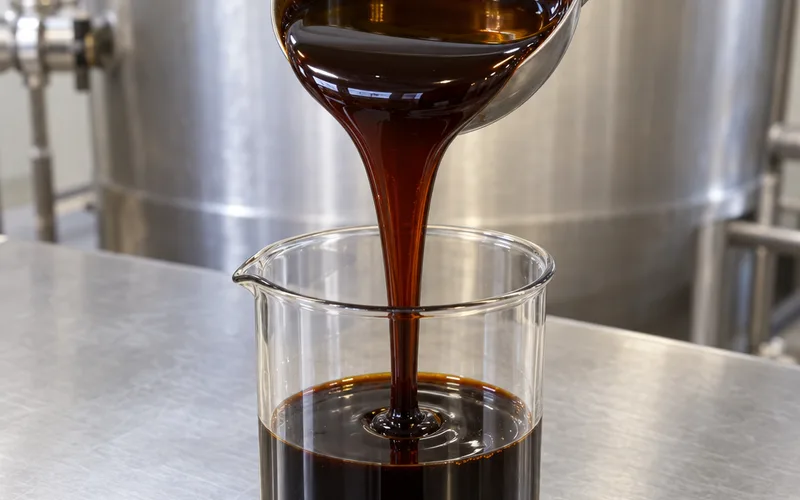
The molasses gets diluted, cleaned of sludge and sterilized with high-pressure steam. That last part keeps out bacteria, which love the same warm, sugary conditions yeast does.
So no, yeast isn’t made from wheat or eggs. It’s grown on sugar.
Step 3: Grow It in Bigger and Bigger Tanks
Next, the culture moves into fermenters of increasing size. In each tank, workers feed it, pump in air and watch the temperature and pH closely.
Eurasyp, the European yeast extract producers’ group, says yeast grows best at about 30 degrees Celsius with plenty of oxygen. Anchor Yeast says each fermentation stage typically takes 16 to 24 hours and ends with 20,000 to 30,000 kilograms of fresh yeast.
The result? A tank full of hungry, fast-growing yeast.
Step 4: Harvest the Yeast Cream
Large centrifuges then spin the tank’s contents. The heavier yeast separates from the spent liquid, which the industry calls wort.
What’s left is a thick, pourable liquid called cream yeast. It’s held in chilled tanks and either sold as cream yeast for industrial use or processed further.
Step 5: Press or Dry It
For fresh yeast, the cream is dewatered on a rotary vacuum filter, pressed into blocks, wrapped and kept cold. That’s the compressed kind you’ll find in the refrigerated case.
For dry yeast, filter presses squeeze it into a firm cake. The cake is pushed out in fine strands, dried in fluid bed dryers and stored in silos before it’s packed for bakeries and stores.
The Types of Yeast That Come Out of the Factory
Here’s the deal: every type of baking yeast is the same organism. The only real difference is how much water the factory removed.
Bob’s Red Mill lists four levels of drying:
- Cream yeast: liquid, the least processed form
- Fresh (compressed) yeast: a soft, moist block that needs the fridge
- Semi-dried yeast: a partly dried step in between
- Active dry yeast: dry granules for the supermarket shelf
Bob’s Red Mill says active dry yeast holds less than 5 percent moisture, which lets it last up to two years at room temperature. Instant is another dry form with finer particles, so you can usually mix it straight into the flour.
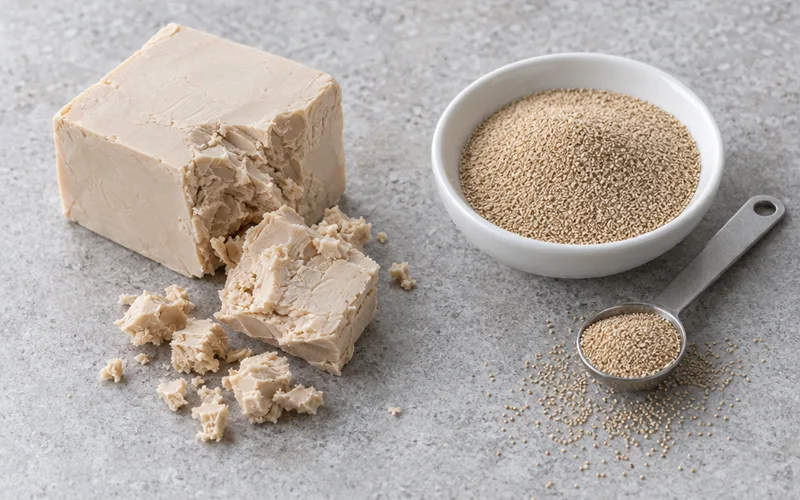
Pro Tip: If a recipe calls for fresh yeast and you only have dry, you can still make it work. Just remember the dry form is more concentrated, so you’ll need less of it.
Yeast Extract Is a Different Product
You might also see “yeast extract” on soup, sauce and ready-meal labels. It starts the same way but ends very differently.
Eurasyp explains that producers heat fresh yeast to 45 to 55 degrees Celsius so its own enzymes break it down from the inside. A centrifuge removes the cell walls, and the savory liquid is concentrated into a paste or spray-dried into powder.
In other words, it’s a flavoring. It won’t raise your bread at all.
How Did People Get Yeast Before Factories?
Long before fermenters and centrifuges, bakers caught their yeast from nature. It lives on grain, fruit and even in the air.
The two classic sources were:
- Brewers’ foam. Bakers scooped the yeasty froth off fermenting beer and used it to raise dough.
- Saved dough. A piece of each batch was kept and fed with fresh flour and water, much like a modern sourdough starter.
Both methods worked, but they were slow and unpredictable. Factory yeast changed that by giving every baker the same strong, consistent strain.
Can You Make Yeast at Home?
Not in the factory sense. What home methods really do is capture and grow wild yeast that’s already on your ingredients.
Popular approaches include soaking raisins or other fruit, fermenting potato water, or mixing flour and water and feeding it daily. Any of them can work for making yeast for bread at home, though each one takes patience.
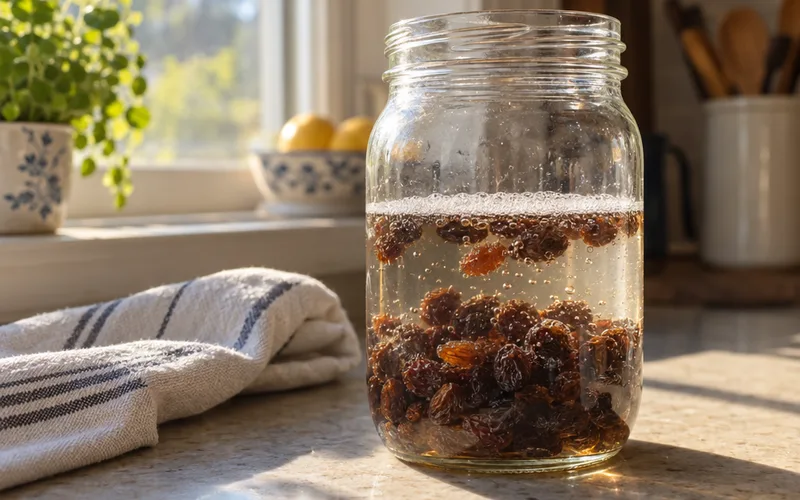
Wild yeast rises more slowly than the packet kind and brings a tangier flavor. A flour-and-water culture works the same way as a sourdough starter.
No yeast at all? Plenty of breads rise without yeast instead.
What the Factory Process Means for Your Baking
Knowing how yeast is made explains most of the rules for using it. What you buy is alive but dormant, so your job is to keep it that way until you wake it up.
Here’s how:
- Store it sealed and dry. Keep opened yeast in an airtight container somewhere dark and dry, or in the freezer for an even longer life.
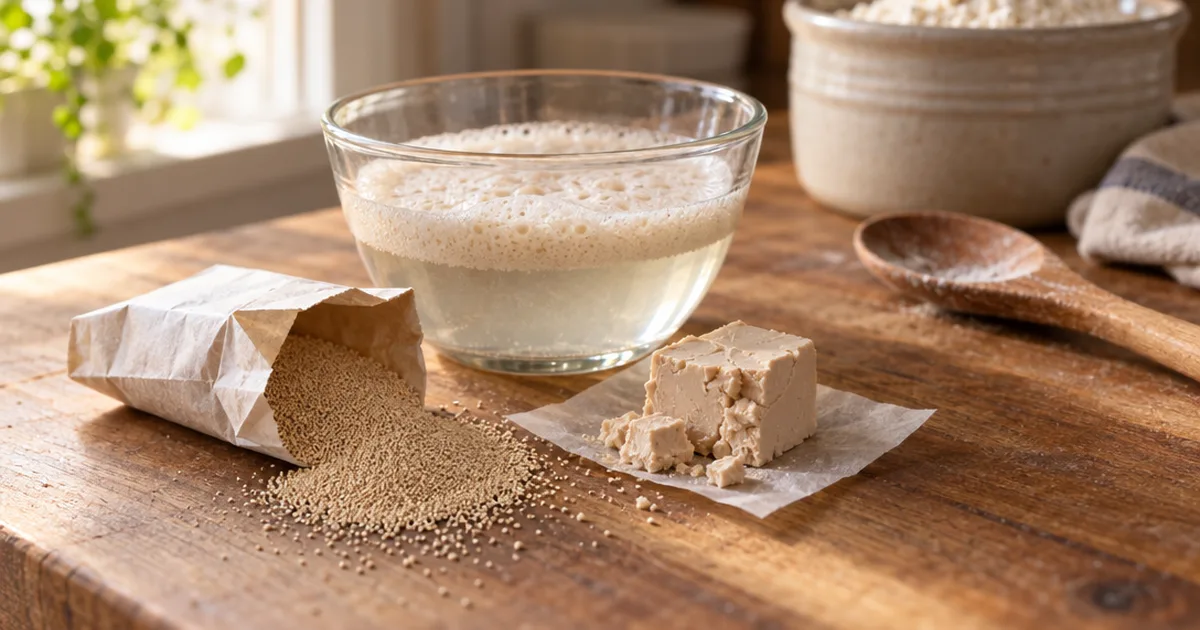
- Test old yeast first. Bob’s Red Mill suggests stirring it and a pinch of sugar into warm liquid and waiting about ten minutes for foam.
- Give it warmth. Bob’s notes that dough rises faster than expected in a house warmer than 80°F, and slower in a cold kitchen.
- Be patient with rich doughs. Butter, milk, eggs and extra sugar slow it down, so enriched dough needs more time to rise.
Yeast is one of the four basic bread ingredients, right alongside flour, water and salt. Once you understand it, timing your rise during proofing bread gets much easier.
Ready to try it? A simple loaf with active dry yeast is a great first test, and fresh yeast for pizza dough shows off the compressed kind.
Your Yeast Started as a Few Cells
Every packet began as a tiny lab culture that was fed molasses and air, spun out and carefully dried. It’s a natural food, grown at a huge scale.
If you’re newer to baking, the bread baking basics put it all together. So which kind of yeast are you going to try in your next loaf?
Frequently Asked Questions
Where does yeast come from?
Yeast is a living microorganism that occurs naturally on fruit, grain and in the air. The yeast you buy descends from carefully kept pure strains that manufacturers grow in batches, starting each new run from earlier batches.
Is yeast killed when baked?
Yes. Yeast stops growing as the dough heats past about 40 degrees Celsius, and the oven’s heat kills it long before the loaf is done, so no live yeast survives in baked bread.
Is yeast technically mold?
No. Yeast and mold are both fungi, but yeast lives as a single cell that reproduces by budding, while mold grows as fuzzy threads.
What is the difference between dry yeast and active dry yeast?
Active dry yeast is the most common kind of dry yeast, sold as granules you usually dissolve in warm liquid first. Instant yeast is also a dry yeast, but its finer particles can go straight into the flour.
How do I activate dry yeast?
Stir the yeast and a pinch of sugar into warm liquid from your recipe and wait about ten minutes. If it foams and bubbles, it’s alive and ready to use.