
Sourdough has a health halo right now.
But is sourdough the healthiest bread on the shelf, or just the trendiest? In this guide, I’ll show you what fermentation really does, where sourdough wins and how to pick a genuinely healthy loaf.
Let’s dive right in.
Is Sourdough the Healthiest Bread? The Honest Verdict
Here’s the deal: sourdough is a strong choice, but the flour matters more than the fermentation.
So is white sourdough bread healthy? It beats ordinary white bread on digestion and blood sugar, but it’s still refined flour, so it can’t match a whole grain loaf on nutrients.
The real winner is whole grain sourdough, which gives you whole grain fiber, vitamins and minerals plus the benefits of a slow rise.
What Fermentation Actually Changes
Regular bread rises quickly with packaged baker’s yeast. Sourdough rises with a sourdough starter, a living starter culture of flour, water, wild yeast and lactic acid bacteria.
That slow rise can take a day or more, and most sourdough bread benefits come from what it does to the dough.
It Can Be Easier on Your Gut
Wheat bran contains phytic acid, which binds to minerals like magnesium, iron and zinc and makes them harder to absorb. The acids the bacteria make break much of it down, so more magnesium and other nutrients stay available to you.
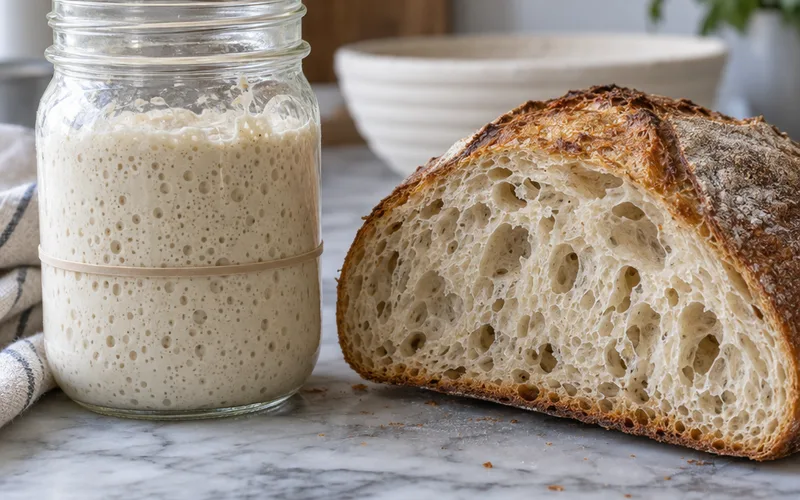
Fermentation also pre-digests part of the starch and gluten. That’s why some people who bloat after supermarket bread say sourdough sits better in their intestine.
It’s a common problem, too. In the UK, Bupa figures reported by Edinburgh Live put digestive problems at around four in ten Brits, with about two in ten diagnosed with IBS.
It’s Gentler on Blood Sugar
Sourdough tends to have a lower glycemic index than white sandwich bread. In plain terms, it raises your blood sugar levels more slowly, so you’re less likely to get a sharp spike in insulin.
Note: sourdough is still a source of carbohydrates. If you’re managing diabetes or insulin resistance, portion size matters as much as the type of loaf, and the same goes for picks like cornbread for diabetics.
Sourdough, Gluten and Celiac Disease
Sourdough isn’t gluten free, and this is the part people most often get wrong.
Sourdough made from wheat, rye or spelt still contains gluten. The long rise may soften its effect on mild gluten intolerance, but it doesn’t remove it.
That means regular sourdough is never safe if you have celiac disease. Staff at the training company Origym, quoted in that news report, say gluten in rye, wheat and barley can trigger IBS symptoms like bloating, diarrhoea and cramps.
If you’re avoiding gluten, that rules out rye loaves too, and here’s why rye isn’t gluten free. For safe swaps, start with these gluten free bread recipes.
How Sourdough Compares With Other Breads
In short, sourdough beats most white and sweet breads but trails true whole grain loaves. Here’s how that plays out across the bread aisle.
Sourdough vs. Whole Wheat and Sprouted Bread
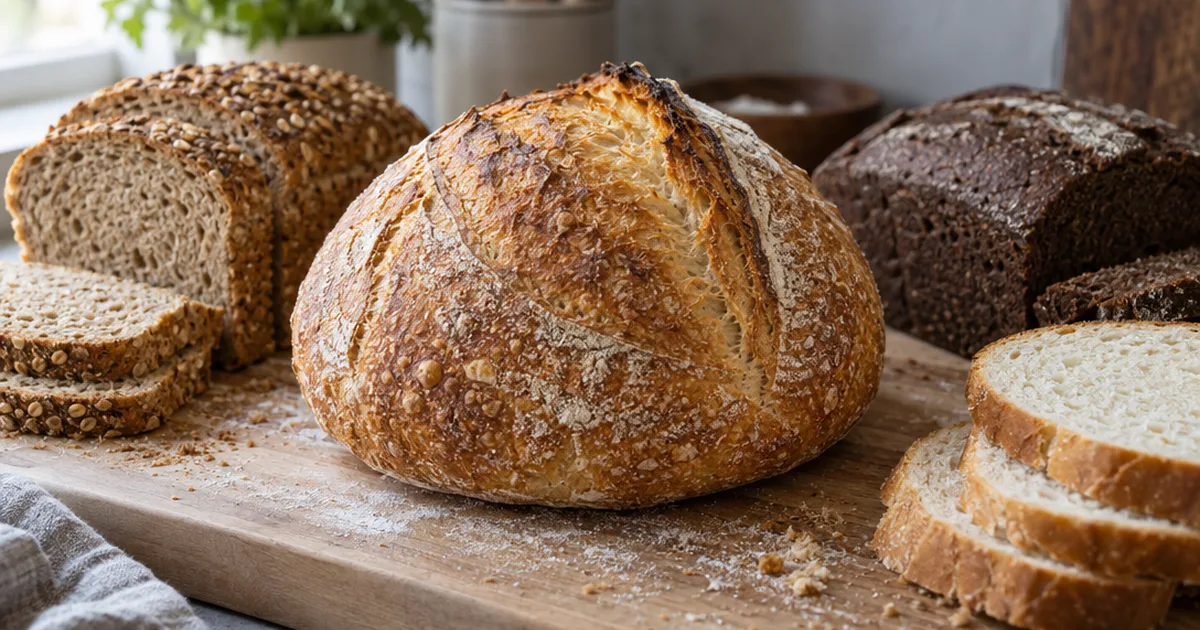
Whole wheat and sprouted breads usually give you more fiber than white sourdough. Sprouted grain bread is made from whole grains, tends to be lower in sodium and usually has no added sugar.
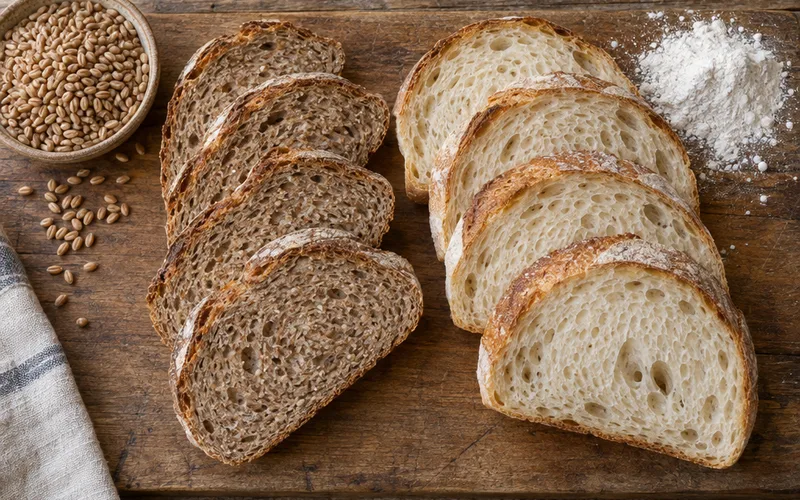
Better yet, combine both. A whole wheat sourdough gives you whole grain nutrition with a slow rise, and a sprouted grain loaf is worth baking if you want the most protein and fiber.
Sourdough vs. White, Rye and Specialty Breads
Most other breads land somewhere in the middle:
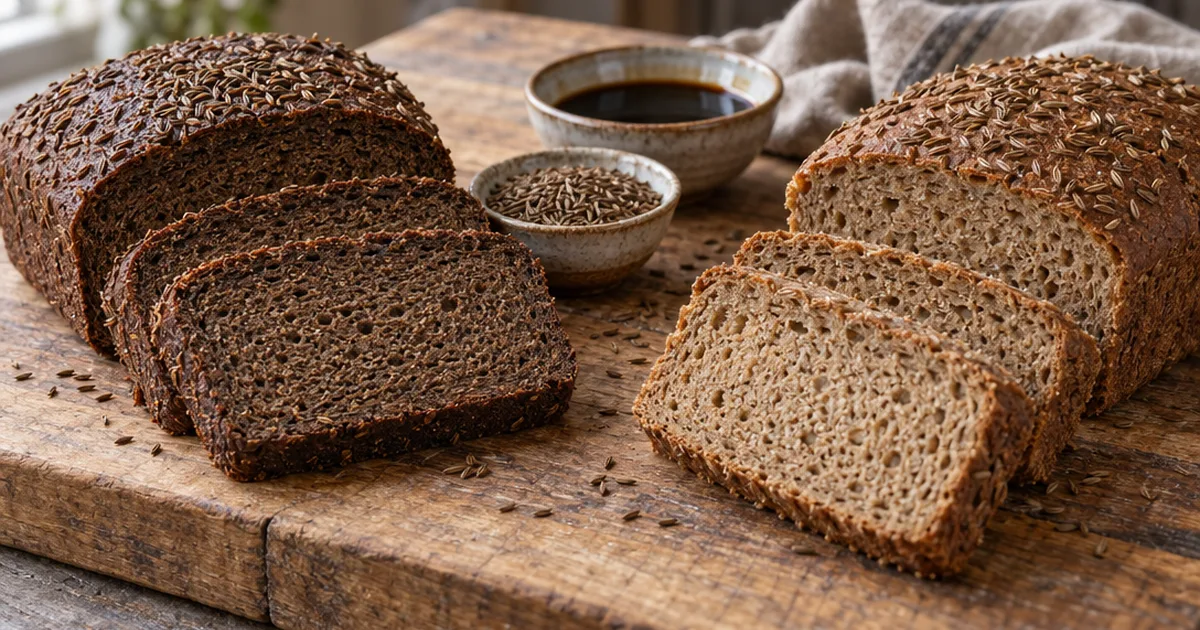
- Rye: dense and filling, and a classic in sourdough form. See whether rye bread is healthy and how pumpernickel compares.
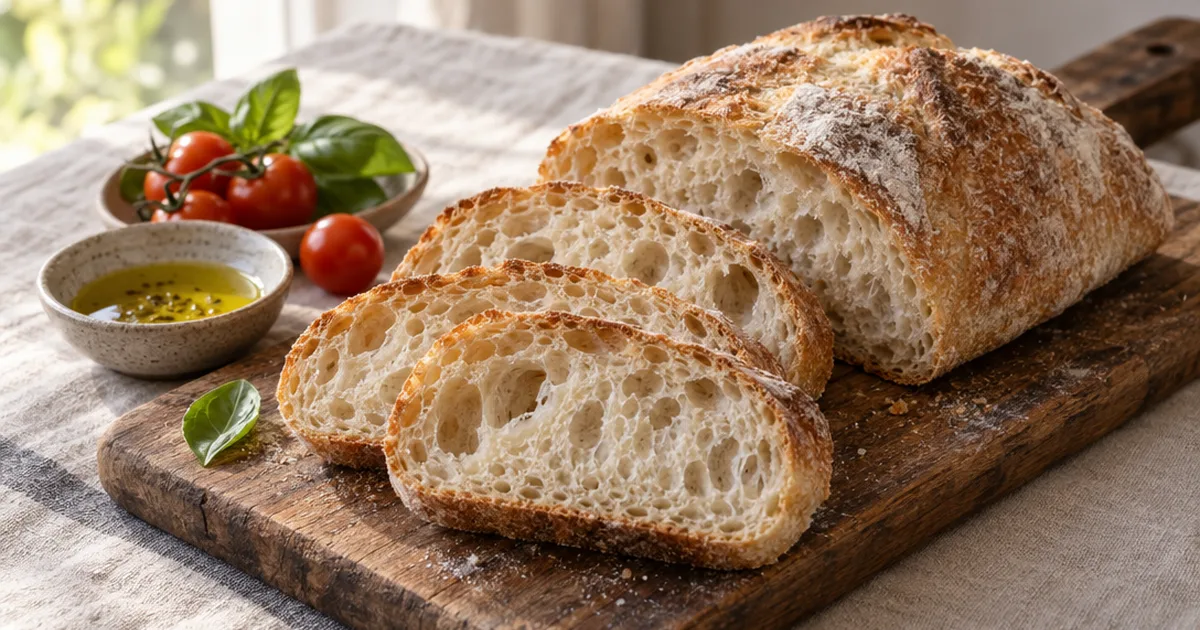
- Ciabatta and focaccia: usually white flour, with focaccia adding olive oil. Compare ciabatta’s nutrition label, whether focaccia earns a place and the calories in focaccia.
- Cornbread: made from cornmeal and often sweetened. Here’s how cornbread fits a healthy diet.
- Enriched and sweet breads: egg, butter and sugar add calories and fat fast. Check the calories in challah, Irish soda bread calories and homemade cinnamon roll calories.
Key Takeaway: next to white bread and sweet enriched loaves, sourdough comes out ahead. Next to true whole grain bread, it only wins when it’s made with whole grain flour too.
The Downsides of Sourdough
Sourdough isn’t perfect, and three catches are worth knowing before you buy.
First, some store-bought loaves sold as sourdough also list commercial yeast or vinegar on the label. You may pay a sourdough price without getting the long fermentation that does the work.
Second, white sourdough is low in fiber. And a sensitive gut may still react: the same Edinburgh Live report describes high FODMAP foods as fructans that cause excess gas for people with IBS.
Finally, sourdough isn’t a low-calorie food. If you’re counting, compare low calorie sourdough options and sourdough’s carb count.
How to Choose the Healthiest Sourdough
The good news? Picking a better loaf takes about ten seconds at the grocery store.
- Read the ingredients. Real sourdough needs only flour, water, salt and a starter.
- Look for whole grain flour first. Whole wheat, rye or spelt should top the list.
- Compare the sodium. Bakery loaves vary a lot.
- Mind the slice. Artisan slices are often bigger than the serving on the label.
Pro Tip: baking your own gives you full control of the flour and the rise time. Start with a homemade sourdough starter, or try a simpler healthy homemade bread first.
The Bottom Line
Sourdough is one of the healthier breads you can eat, but it isn’t magic. For the most nutrition, choose a slow-fermented sourdough made with whole grain flour.
And be wary of bold health promises, because no single bread can protect your heart or prevent cancer by itself.
So which swap will you try first, whole grain sourdough or a loaf you bake yourself?
Frequently Asked Questions
What is the healthiest bread you can eat?
Whole grain breads, such as sprouted grain bread and whole grain sourdough, usually come out on top. They give you more fiber and minerals than refined white loaves.
Is 2 slices of sourdough a day too much?
For most healthy adults, two slices fit easily into a balanced diet. Just watch the slice size and the toppings, since butter and jam add up fast.
Which bread is better than sourdough?
A white sourdough loses to most whole grain breads on fiber. Whole grain sourdough is hard to beat, because you get the fiber and the fermentation in one loaf.
Does sourdough bread help gut health?
It may help. Fermentation pre-digests part of the flour, and sourdough acts as a prebiotic, which feeds the good bacteria in your gut microbiome.
What are the different types of sourdough?
The main types are white, whole wheat and rye sourdough, plus blends with spelt or other grains. For nutrition, the flour matters more than the starter.
What are some healthy bread options for weight loss?
Choose high-fiber breads such as whole grain sourdough, sprouted grain bread or dense rye, because fiber helps you feel full. Portions still matter, since every bread carries carbohydrates.