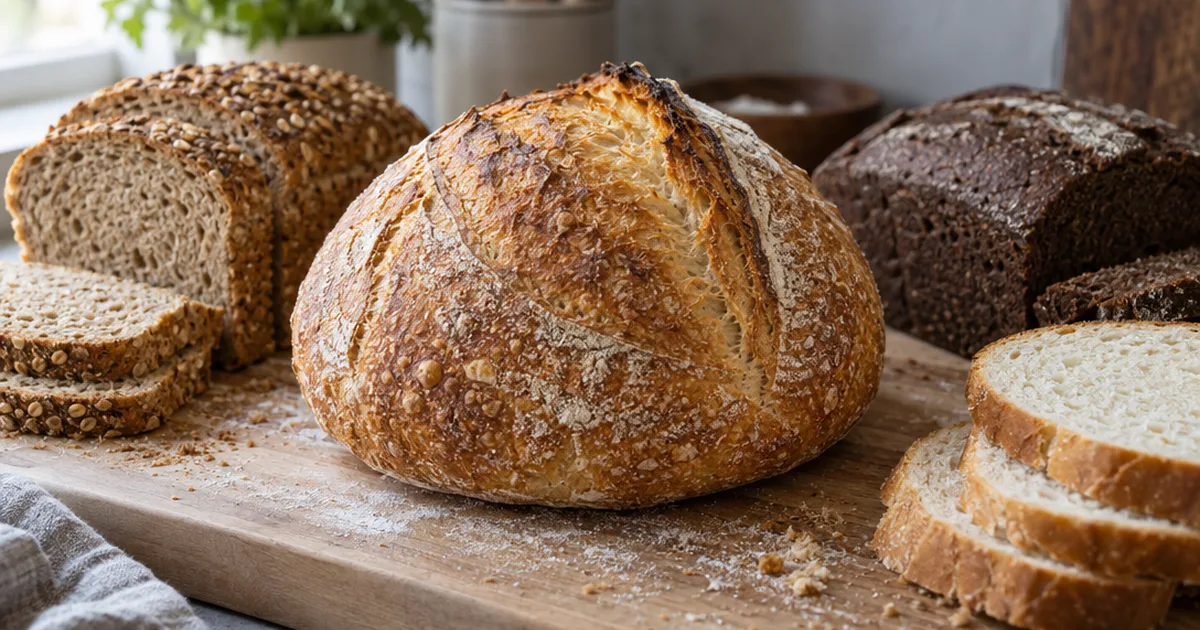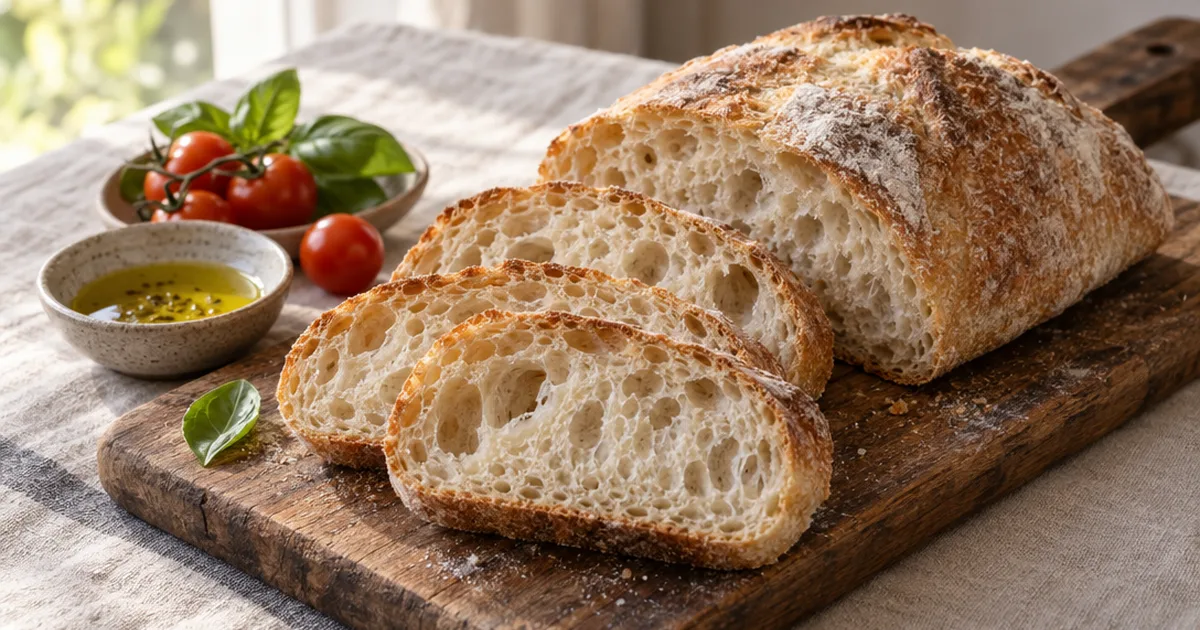

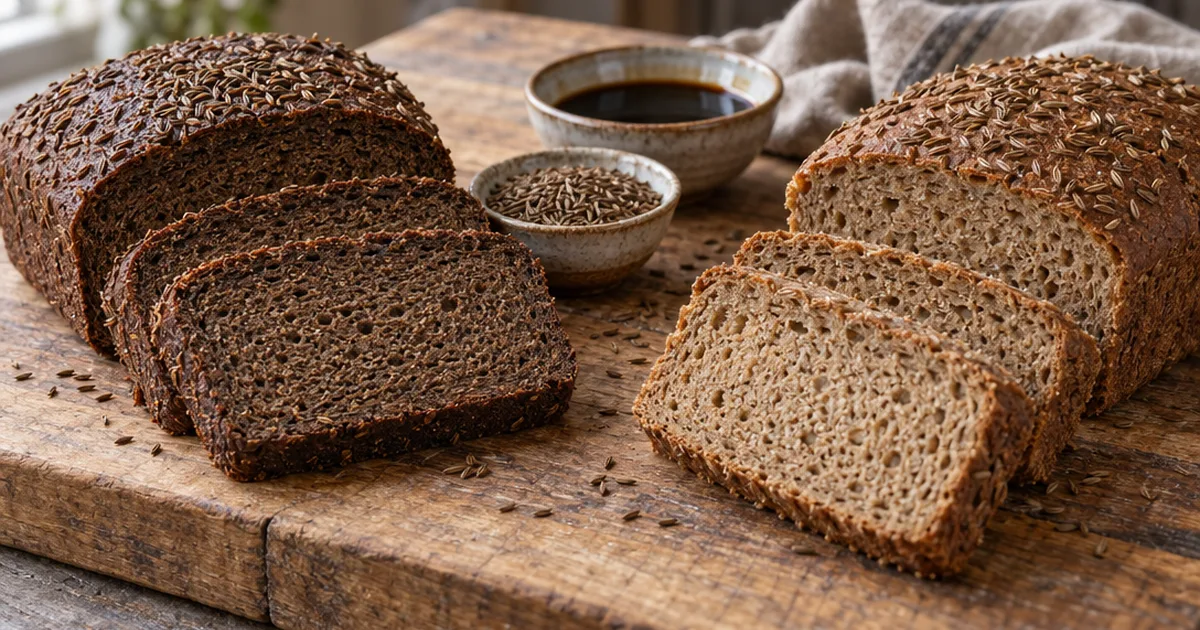
You’re standing in the bread aisle, holding a dark, dense loaf of rye. It looks wholesome and nothing like soft white sandwich bread, so it feels like a safe bet.
Here’s the problem: rye’s dense texture makes it look low in gluten, and that’s exactly why so many people get this one wrong.
In this guide, I’ll show you why rye contains gluten, which rye breads hide wheat too, and how to check sourdough rye, pumpernickel and German rye. You’ll also get the gluten-free swaps that still give you that rye flavor.
Let’s get started.
Is Rye Bread Gluten Free? The Short Answer
No. Rye is one of the three main gluten grains, along with wheat and barley.
That means every bread made with rye flour contains gluten, whether it’s a light deli rye or a dark, seedy loaf. It isn’t a safe choice if you follow a strict gluten-free diet.
So why does rye seem like an exception to so many people? Mostly because it bakes so differently from wheat bread.
Let me explain.
Why Rye Has Gluten (Even Though It Bakes Differently)
Gluten is a group of proteins found in wheat, barley and rye. When you mix wheat flour with water, those proteins link up into a stretchy network that traps gas from the yeast.
That network is why a wheat dough rises tall and springs back when you poke it.
Rye works differently. It has less gluten than wheat, and what it has is weaker at building the network, so rye dough feels sticky and pasty instead of springy.
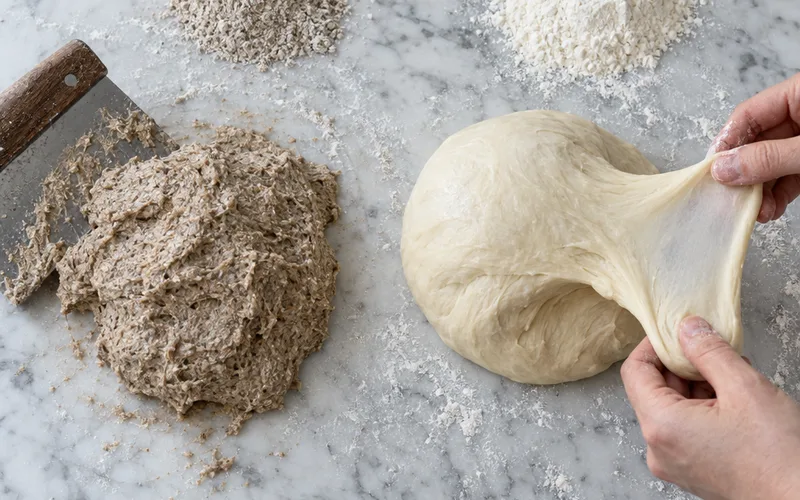
The result? Rye bread comes out dense, moist and close-crumbed, with a stronger, earthier flavor than wheat bread.
Bread that doesn’t rise like wheat bread seems like it can’t have much gluten, but weak gluten is still gluten.
Does Rye Have Less Gluten Than Wheat?
Yes. Rye flour contains less gluten than wheat flour, which is why rye bread is denser and doesn’t rise as high.
But less isn’t the same as none. For someone with celiac disease, even a small amount of gluten can do damage, so you need to skip rye just like wheat.
In other words, “lower in gluten” is a baking fact, not a safety label.
Most Rye Bread Also Contains Wheat
In the United States, most commercial light and dark rye breads are made with a mix of rye flour and wheat flour. That surprises a lot of people.
Why? Rye on its own makes a very dense loaf, and wheat helps the bread rise higher and slice cleanly for a sandwich.
So if you’ve ever wondered whether rye bread has wheat in it, the answer is usually yes.
That also means a “rye” label tells you nothing about how much wheat is inside. Check the full ingredients every time.
Common Rye Breads, Checked One by One
Rye bread comes in several styles, and people often assume one of them is the safe one.
Sourdough Rye Bread
Sourdough rye is not gluten free. A sourdough starter is just flour and water full of wild yeast and bacteria, and a rye starter is made with rye flour.
The long rise changes the flavor and texture, but it doesn’t remove gluten. That’s why the long fermentation behind sourdough’s nutrition story still doesn’t make a wheat or rye loaf safe for celiac disease.
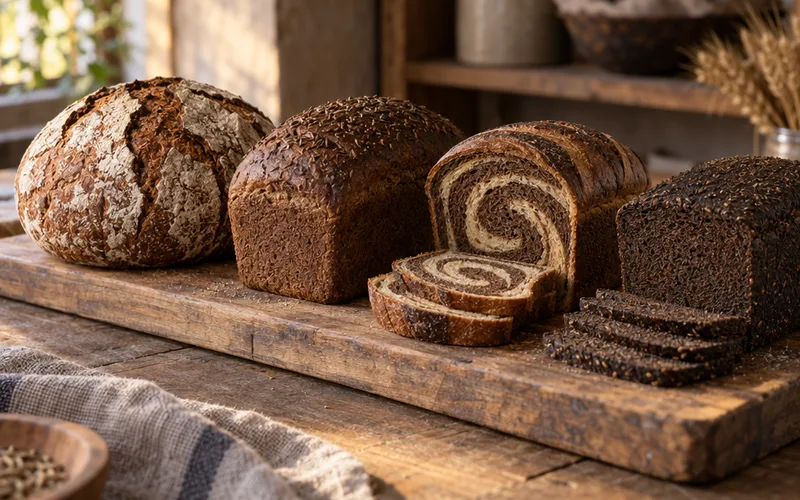
If you love the tang of a classic rye sourdough, keep it for gluten-eating friends and family. On a gluten-free diet, you’ll need a starter built from gluten-free flour instead.
Dark Rye and Marbled Rye
Dark rye bread is not gluten free either, and neither is light rye made from the grain’s starchy endosperm. Some dark rye is made from whole rye grains, and some is light rye dough colored with cocoa powder, instant coffee or molasses.
Marbled rye swirls light and dark rye dough together. Either way, you’re eating rye, and usually wheat too.
Note: A darker color doesn’t always mean more rye. It can just mean more molasses or cocoa.
Pumpernickel Bread
Pumpernickel bread is not gluten free. The traditional version is made from coarsely ground whole rye grains, so the main ingredient is a gluten grain.
Does pumpernickel bread have wheat? Store-bought pumpernickel can include wheat too, so check the label.
Either way, it’s off-limits for celiac disease, even though pumpernickel’s whole grain profile gets plenty of praise.
German Rye Bread
German rye bread is not gluten free. These loaves rely heavily on rye flour and whole rye grains, and many blend in wheat as well.
If you bake a traditional German rye loaf at home, it will contain gluten too.
Who Should Avoid Rye Bread?
If you have celiac disease, you need to avoid rye bread completely. Celiac disease is an autoimmune condition in which gluten from wheat, barley or rye damages the small intestine.
Rye isn’t a good fit for non-celiac gluten sensitivity either. Rye is high in fiber as well as gluten, so it can cause bloating in people who are sensitive to either one.
What if you just eat gluten free by choice? Then rye bread is still a gluten food, so it doesn’t fit the plan.
Note: This guide is general health information, not medical advice. If you suspect a gluten problem or food allergies, talk to your doctor or a dietitian before you change your diet.
How to Spot Gluten-Free “Rye” on a Label
A real gluten-free rye-style bread contains no rye at all. It copies the flavor with seeds, spices and dark sweeteners instead.
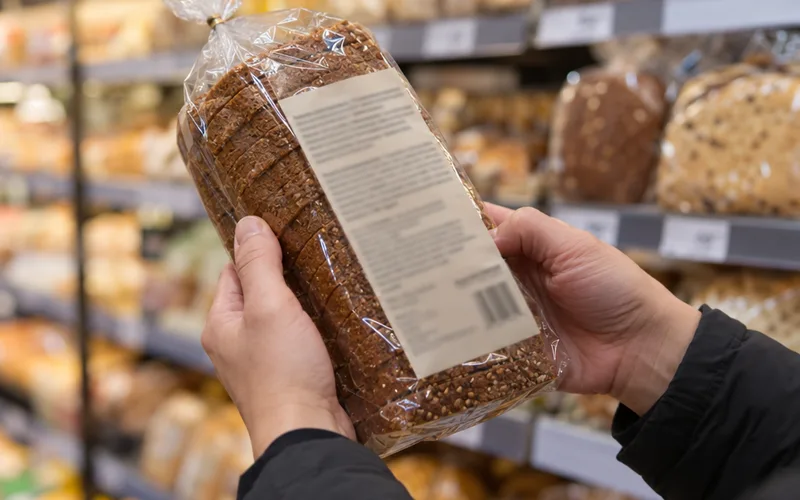
Here’s how to check a package in about ten seconds:
- Scan the ingredients for rye, wheat and barley. If any of those appear, put it back.
- Look for quotation marks or the word “style.” Gluten-free brands often call their bread “rye” or rye-style.
- Check the flour base. Brown rice flour, sorghum, buckwheat, amaranth, garbanzo flour and starches are good signs.
- Look for a gluten-free label. It’s the quickest way to confirm the maker checked the whole recipe.
Pro Tip: Be careful at bakeries and delis. Bread sliced on the same board as regular rye can pick up crumbs, so ask how gluten-free bread is handled.
Gluten-Free Swaps That Still Taste Like Rye
Good news: you can get surprisingly close to rye flavor anyway. The trick in gluten-free baking is to rebuild the taste, since you can’t copy the grain.
Most gluten-free “rye” recipes lean on the same few flavor builders:
- Caraway seeds for the classic deli-rye aroma
- Molasses or brown sugar for deep, slightly bitter sweetness
- Cocoa powder (or a little mesquite flour) for color and a roasty edge
- Anise and fennel for a sweet Swedish limpa-style loaf
- A drop of almond extract for the faint cherry note some bakers taste in rye
For the base, use a blend of gluten-free flours. Buckwheat gives you an earthy, grainy flavor, and a simple buckwheat loaf is an easy first step.
Sorghum, white rice and brown rice flour make a mild base, while potato starch and tapioca starch keep the crumb soft. Many recipes also add xanthan gum, eggs or flax to hold the loaf together, since there’s no gluten to do that job.
The rest of the ingredients look like any other bread recipe: water or milk, oil, salt and often a splash of apple cider vinegar. The dough comes out soft and sticky, so many recipes have you spread it into an oiled bread pan before it goes in the oven.
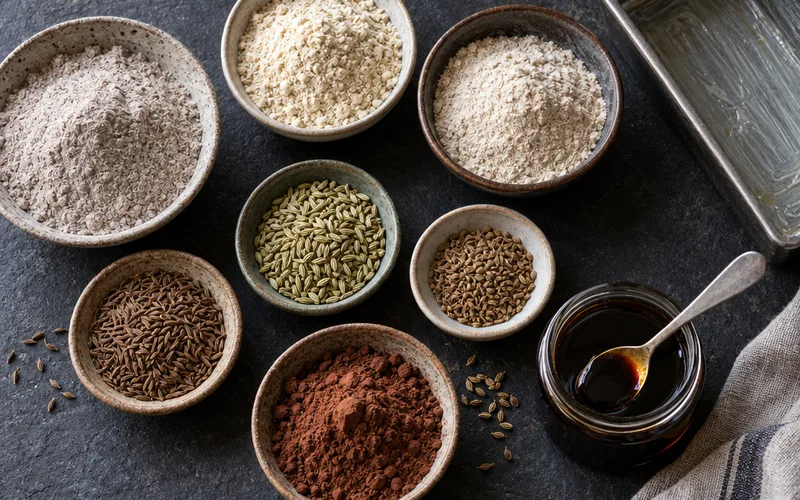
Want to start from scratch? Pick a dependable gluten-free bread flour blend, then follow a dedicated gluten-free rye bread recipe built around caraway and molasses.
You can even make a tangy bread with a gluten-free sourdough starter for a sour, rye-like bite.
For everyday sandwich loaves, the same flours work in plenty of other gluten-free bread recipes.
The Bottom Line
Rye bread isn’t gluten free, and most loaves contain wheat flour too. That goes for sourdough rye, dark rye, pumpernickel and German rye.
If you can eat gluten, rye’s fiber and nutrients still make it a solid everyday bread. If you can’t, a caraway and molasses gluten-free loaf is your best bet.
So which rye-style swap are you going to bake first?
Frequently Asked Questions
How much gluten is in rye bread?
Rye flour has less gluten than wheat flour, but most rye loaves also include wheat, so the total varies from one bread to the next. Any amount is too much if you have celiac disease.
What are some grains that contain gluten?
Wheat, barley and rye are the three main gluten grains. Older wheat relatives such as spelt contain gluten too.
Which grain is lowest in gluten?
Among the gluten grains, rye has less gluten than wheat, but it still isn’t safe on a gluten-free diet. Rice, buckwheat, sorghum and amaranth contain no gluten at all.
Which type of bread has the least amount of gluten?
Bread made only from gluten-free flours, such as rice, sorghum or buckwheat, has none. Of the breads made with gluten grains, a loaf with more rye and less wheat has less gluten, but it is still not gluten free.
What breads are naturally gluten-free?
Breads built on gluten-free flours and starches, such as rice flour, sorghum, buckwheat, tapioca starch or potato starch, are gluten free by design. Check the label anyway, because some bakeries blend them with wheat.
What is a good gluten-free substitute for rye flour?
Buckwheat flour or a blend of sorghum and brown rice flour gives you an earthy base. Add caraway seeds, molasses and a little cocoa powder to bring back the classic rye taste.
What other foods contain gluten?
Anything made with wheat, barley or rye usually contains gluten, including most bread, pasta, pizza, cake and cookies. Check the labels on packaged mixes, sauces and cooking ingredients too.
Is rye bread anti-inflammatory?
The evidence on rye and inflammation is limited, so don’t count on rye bread as an anti-inflammatory food. It also contains gluten, which can trigger symptoms in people who are sensitive to it.